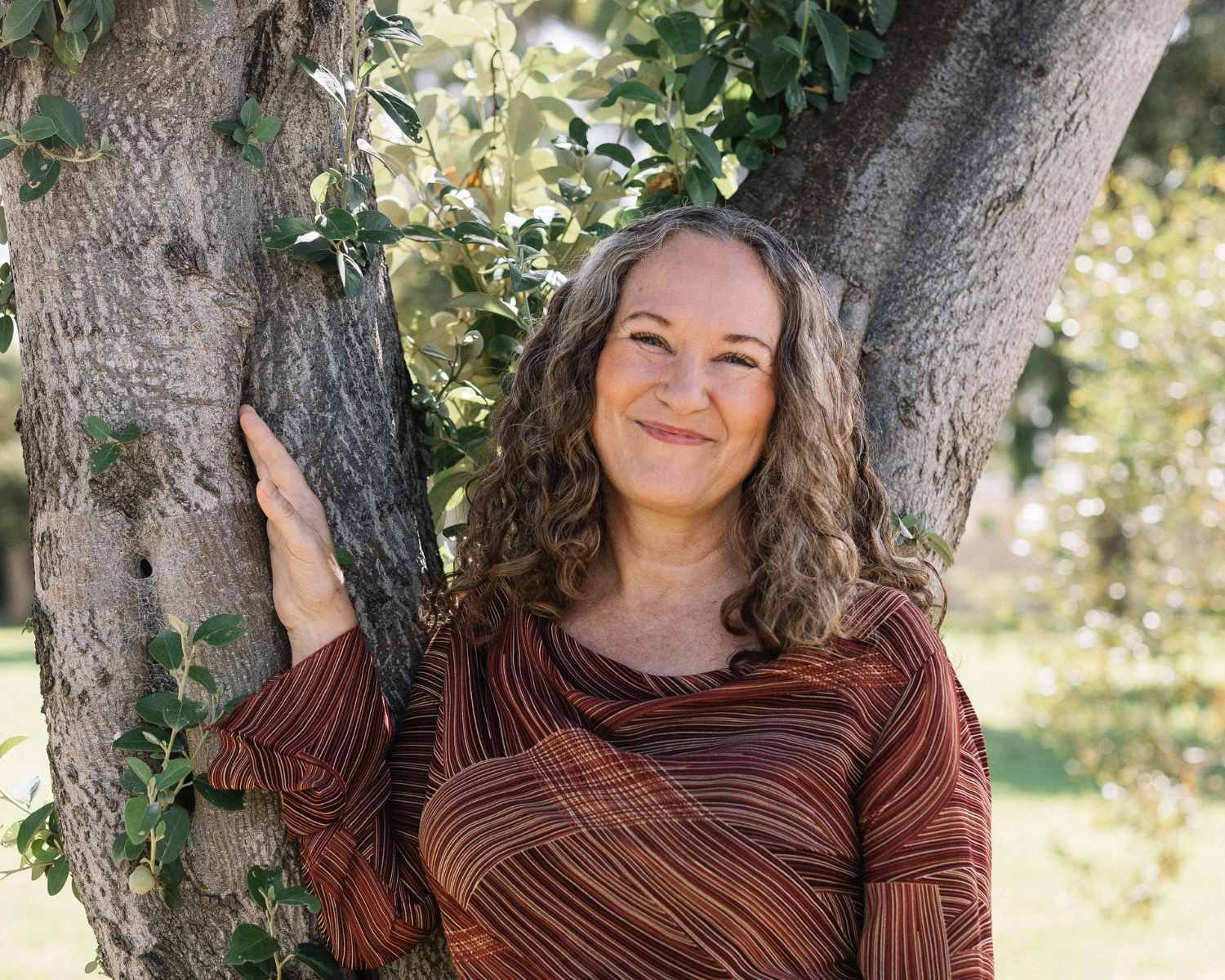
L.U.B. is a technique I developed over decades of practice both in my personal life and in my clinic during consultations. I use this technique to help myself and other people with any and all of the following:
Learn how to parent your inner child (instincts, emotions, subconscious, body etc) using creative visualisation and voice dialoguing so you can heal childhood wounds, re-wire your conditioned (old) instincts and program healthier responses to old triggers.
Develop better emotional intelligence ie self-awareness (being able to sit with, understand and talk about feelings), mindbody awareness (eg recognising body sensations as emotions), and the ability to self-soothe so you can widen your window of tolerance for uncomfortable feelings without feeling flooded (overwhelmed) and needing to numb/repress.
Improving self-care... and reducing self neglect and harm (eg bad habits, addictions, substance abuse, repressive coping and so on).
Learn how to hold space for and listen to other people with a good quality of loving kindness so they feel more attuned to you, more felt and heard by, you.... and in turn, open to hearing you.
Use L.U.B as a starting point for working towards better, more assertive communication that accurately conveys how you feel and what you need in direct and helpful ways rather than muting yourself, feeling resentful, being passive aggressive, and/or using putdowns, labelling, guilt trips, sarcasm etc.
Self-soothe when you get triggered so you can fight fair and not do damage to your relationships by doing and saying thing you will later regret.
Raise your children with emotional intelligence and good communication skills so they're better able to love themselves and have healthy relationships in adulthood.
Break intergenerational cycles and bust unhealthy patterns learned in your own childhood.
Find wonderful ways to balance the setting of healthy boundaries with love so that children feel loved, cared for and safe.
Reduce conflict, tension and misunderstandings between you and your children.
This course contain 6 modules.
Within each module are 3 Lessons.
Lessons are a blend of video, written text, reflection questions, mindfulness exercises, and audio meditations.
Each module also includes a Check In and Review process, along with questions from my Transformation Workbook that will help you dive a little deeper via a journalling process.
This course is part of HeartLight, an online course that helps you improve your relationship with yourself and others.
Before I begin teaching you the individual L.U.B. steps, I'd like to explain what happens when we have too much L.U and not enough B... or too much B and not enough L.U.
We need a balance of the two for healthy parenting, self-care and relationships.
The parenting style we were raised with often shapes our own style. Sometimes this is because we don't learn a crucial skill we need to learn, or we're conditioned to behave in a particular way.
For some of us, our personal style is a reaction against an imbalance in the way we were raised, and sometimes we swing to the opposite extreme.
Let's take a look at how an L.U.B. imbalance plays out across all three areas (self-care, parenting and our adult relationships) because this will help us to better understand why balance is important, and what might be happening for us when we're struggling with our self-care, relationships and/or parenting.
In this module, we start learning the L.U.B steps.
L.U.B. almost always begins with Love and Understanding because the inner child in all of us tends not to be receptive to Boundaries (eg being told what to do) if it doesn't feel heard and understood first.
It's important to remember that the inner child isn't rational or sensible: it's emotional. And no matter how old we get, we all have a child-self inside of us, operating via our subconscious, driving our instincts and behaviours.
Aside from the strategy of building rapport to get the inner child onside, the "Deep Listening" approach used to foster "Love and Understanding" helps us gather vital information that helps us understand the psychology of your child self : what they are feeling and why they are feeling that way. If you understand this, you can often find very effective ways to steer your instinctual behaviours in positive directions that honour your conscious intentions and deeper values.
And of course, if you are a parent, everything I'm saying here applies to actual children...
In this module we'll talk more about self-soothing – what it is, why it matters, and how to do it. A very special form of self-soothing is the ability to put your feelings into words.
But what's the difference between 1) indulging in feelings (by focusing on them and talking about them) and making them worse in ways that don't help... and 2) focusing on and talking about feelings in helpful ways?
As per the last module, our focus will be on how we manage what's happening inside ourselves when we're losing our calm centre, but I'll also add notes at the end for parents and those wanting to improve adult relationships.
Over the last two modules you've been learning to calm yourself down so it's safe to really sit with your feelings like a friend might, and listen to them with living kindness. And you've been working on 'name it to tame it', finding words to express your you are feeling.
In this module I'm going to invite you to imagine it's your inner child expressing these feelings, and I'll explain how doing this helps us step back from our feelings.
It's time to become the wise loving elder so you can be there for yourself, for your inner child.
Now let's have a look at boundaries strategies. To be fair, the entire process of L.U.B is threaded through with boundaries, simply because it provides you with some structure and guidelines to follow. Boundaries is all about leadership and the provision of wise guidance.
This can come in many forms, and with the L.U.B model, there's a special focus on the concept of mindful, purposeful "intention": what is the outcome you want as the wise elder, and how can guide your inner child in that direction?